The post How to Reach Velana International Airport by Bus from Napcorner Malé appeared first on .
]]>From Maafannu Bus Station, take the MTCC Airport Bus that operates between Malé and Hulhulé. The bus crosses the Sinamalé Bridge and goes directly to Velana International Airport. Buses run frequently throughout the day, offering a convenient option for travelers with light luggage.
This bus service is the most economical way to reach the airport, making it ideal for tourists who prefer public transport while enjoying a smooth and scenic ride to Velana International Airport.
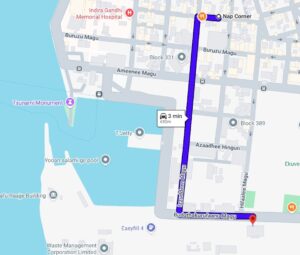
The post How to Reach Velana International Airport by Bus from Napcorner Malé appeared first on .
]]>The post Maldives Opens Doors to Profitable Investment: From Resort Developments to Guesthouse Ventures appeared first on .
]]>Resort development opportunities include private island leases, lagoon developments, and integrated luxury concepts designed to meet the growing demand for high-end, experience-driven travel. At the same time, guesthouse investments on local islands present a lower-entry, high-potential alternative, benefiting from increasing budget-conscious travelers and strong occupancy throughout both high and shoulder seasons.
Supportive government policies, long-term lease structures, and a well-established international brand position the Maldives as a secure tourism market. Whether developing an exclusive five-star resort or a well-managed guesthouse, investors can tap into strong returns, fast-growing visitor numbers, and one of the world’s most iconic destinations. The Maldives is not just open for investment—it is ready for the next generation of hospitality developments.
The post Maldives Opens Doors to Profitable Investment: From Resort Developments to Guesthouse Ventures appeared first on .
]]>The post Maldives in High Season: Where Every Island Is Alive Under the Sun appeared first on .
]]>This is when the Maldives truly shines. Days are filled with golden sunshine, turquoise lagoons sparkle under the light, and gentle breezes create ideal conditions for snorkeling, diving, dolphin cruises, and sunset sails. Resorts are alive with curated experiences, while local islands welcome guests with warm hospitality, cultural encounters, and authentic Maldivian flavors.
High season is not just about full rooms—it’s about full moments. It’s the season of romance, family escapes, adventure, and pure relaxation. As the sun rises and sets over the Indian Ocean, the Maldives once again proves why it remains one of the world’s most desirable destinations: sunny, wonderful, and simply unforgettable.
The post Maldives in High Season: Where Every Island Is Alive Under the Sun appeared first on .
]]>The post Maldivian Hospitality: The Heartfelt Tradition of Welcoming Visitors with Coffee and Meals appeared first on .
]]>A Tradition Steeped in Culture and Religion
In Maldivian culture, inviting a foreign visitor or traveler for coffee or food is not just a casual offer—it is a heartfelt expression of friendship and respect. Rooted in Islamic teachings that encourage treating guests as family, this practice is a symbol of humility and generosity.
Unlike in some countries where hospitality may come with expectations or costs, in the Maldives, offering coffee or a meal is done purely out of goodwill. Locals never consider it a burden but rather an honor to share their home and traditions with visitors.
Why Is This Tradition So Important?
The Maldives, an island nation with close-knit communities, places a strong emphasis on social bonds and mutual respect. The tradition of welcoming guests with refreshments reflects a universal value in Maldivian society: that everyone, especially travelers, deserves kindness and care.
This custom offers visitors a unique window into local life—sharing stories, tastes, and moments that often become cherished memories long after the trip ends.
A Warm Welcome Awaits
For tourists, this cultural practice may initially feel unfamiliar or even surprising, but it often becomes one of the most treasured aspects of their Maldives experience. Accepting such invitations opens the door to authentic connections, giving travelers a chance to see beyond the beaches and resorts into the everyday warmth of Maldivian life.
Respecting the Gesture
Visitors are encouraged to graciously accept these offers and reciprocate the kindness when possible. This simple act fosters goodwill and helps bridge cultural understanding between locals and travelers.
In the Maldives, hospitality is not just about service—it’s about the sincere joy of sharing life’s simple pleasures, one cup of coffee and meal at a time.
The post Maldivian Hospitality: The Heartfelt Tradition of Welcoming Visitors with Coffee and Meals appeared first on .
]]>The post Discover Vilimale: A Peaceful Day Escape Just 10 Minutes by Ferry from Malé appeared first on .
]]>Easy and Affordable Access
Getting to Vilimale couldn’t be easier or more budget-friendly. The ferry ride costs only MVR 3 (approximately USD 0.20), making it an accessible option for both locals and tourists. The frequent ferry service means you can enjoy a flexible day trip or a quick escape anytime.
What to Experience in Vilimale
Unlike the bustling capital, Vilimale offers a glimpse into everyday Maldivian life. Stroll through the island’s quiet streets, interact with friendly locals, and soak in the calm atmosphere that contrasts sharply with Malé’s busy urban pace.
For beach lovers, Vilimale boasts pristine sandy shores and clear blue waters—ideal for sunbathing, swimming, or simply relaxing with a good book.
Local Flavors and Culture
The island also offers opportunities to taste authentic Maldivian cuisine at local eateries and cafes. Visitors can sample fresh seafood dishes and traditional snacks while enjoying a laid-back, community-focused environment.
Perfect for a Relaxing Day
Whether you’re a tourist wanting a peaceful retreat or a resident looking to unwind, Vilimale’s blend of natural beauty and local charm makes it an ideal destination. The quick ferry ride means you can spend a full day exploring and still return to Malé comfortably in the evening.
Plan Your Visit
-
Ferry Cost: MVR 3 (about USD 0.20)
-
Duration: 10 minutes from Malé
-
Best Time to Visit: Early morning to enjoy a full day
Experience the quieter side of the Maldives and discover Vilimale’s unique charm—just a short ferry ride away.
The post Discover Vilimale: A Peaceful Day Escape Just 10 Minutes by Ferry from Malé appeared first on .
]]>The post Whale Sharks in the Maldives: South Ari Atoll Emerges as Prime Spot for Sightings appeared first on .
]]>South Ari Marine Protected Area: The Whale Shark Hotspot
Located in the South Ari Atoll, the South Ari Marine Protected Area (SAMPA) is the Maldives’ most consistent site for year-round whale shark sightings. Stretching about 42 kilometers from Dhigurah to Maamigili, the area is home to a resident population of juvenile male whale sharks, making it one of the few places in the world where sightings are almost guaranteed throughout the year.
Unlike other parts of the world where whale sharks are seasonal visitors, the Maldivian population remains local, thanks to the abundance of plankton-rich waters and warm temperatures that attract them consistently.
Best Islands and Resorts for Whale Shark Tours
Visitors interested in seeing whale sharks often base themselves on islands or resorts near the protected zone, such as:
-
Dhigurah
-
Maamigili
-
Dhangethi
-
Vilamendhoo Island Resort
-
Centara Grand Island Resort
Local guesthouses and dive centers offer frequent excursions via speedboats, typically early in the morning or just before noon when visibility is best.
Sustainable Tourism Encouraged
With increasing interest in whale shark encounters, local authorities and marine biologists emphasize the importance of responsible and non-invasive tourism. Tour operators are required to follow strict guidelines, including:
-
No touching or chasing whale sharks
-
Maintaining a safe distance
-
Limiting the number of swimmers in the water at once
The Maldives Whale Shark Research Programme (MWSRP), based in Dhigurah, works closely with the community and visitors to monitor the population and promote conservation.
When to Visit
While whale sharks can be seen year-round, April to December tends to offer the calmest sea conditions and best underwater visibility. Tourists are advised to book tours in advance, especially during peak travel seasons.
A Bucket List Experience
For marine lovers and eco-tourists, swimming alongside a whale shark is often described as a once-in-a-lifetime experience. In the Maldives, this dream is more accessible than ever—especially in the tranquil waters of South Ari Atoll.
The post Whale Sharks in the Maldives: South Ari Atoll Emerges as Prime Spot for Sightings appeared first on .
]]>The post Beyond the Beaches: Discovering the Maldives’ Deep Cultural Roots appeared first on .
]]>1. Origins and Influences
Maldivian culture has roots in South Indian, Sinhalese, Arab, African, and Southeast Asian traditions. This blend is a result of the Maldives’ position as a key stop on ancient maritime trade routes in the Indian Ocean.
Religion and Beliefs
-
Pre-Islamic Era: Before converting to Islam in 1153 AD, Maldivians practiced a mix of Buddhism and Hinduism, evident in archaeological remains such as Buddhist stupas, statues, and temple ruins found in islands like Gan (Laamu Atoll) and Fua Mulah.
-
Post-1153 AD: After the conversion to Islam, Islamic values and practices became central to Maldivian identity, influencing everything from law and education to daily life and architecture.
Traditional Clothing
-
Men: Traditionally wore a sarong (called feyli) with a white shirt. A gold-threaded feyli was worn for special occasions.
-
Women: Wore the “libaas”, a long dress with intricate embroidery, often complemented with gold jewelry.
Music and Dance
-
Bodu Beru: A central element of Maldivian culture, this traditional music and dance performance uses drums, singing, and rhythmic dancing, introduced via East African influence.
-
Thaara: A form of Islamic devotional music, performed by men in rows, brought by Arab traders.
-
Dhandi Jehun: A dance involving sticks, similar to South Asian folk traditions.
Architecture and Craftsmanship
-
Coral Stone Buildings: Many early mosques, such as the Hukuru Miskiy (Friday Mosque in Malé), were built with carved coral stone — a unique and intricate art form.
-
Lacquer Work and Mat Weaving: Skilled handcrafts like wood lacquer (liye laajehun) and reed mat weaving (kunaa) from G.Dh. Gaddhoo are prized cultural products.
Language and Literature
-
Dhivehi Language: An Indo-Aryan language with its own unique script called Thaana, which is written right-to-left.
-
Oral Traditions: Folk tales (kurevi) and legends were passed down orally. Stories often included sea spirits, jinn, and heroic seafarers.
Seafaring Life
-
Traditionally, Maldivians were fisherfolk, sailors, and boat builders. The dhoni, a wooden boat, is iconic in Maldivian history and craftsmanship.
-
Fishing and coconut-based subsistence formed the core of rural island life.
Social Structure and Governance
-
Before modernization, society was organized under a sultanate system, with a royal court, nobility, and local island chiefs.
-
The Sultanate of Maldives lasted until 1968, when the country became a republic.
Festivals and Rituals
-
Maahefun: Celebrated before Ramadan begins, with food, music, and gatherings.
-
Eid Celebrations: Traditional games, feasts, and community bodu beru performances are central.
-
Old rituals for rainmaking, healing, and protection against spirits also existed but diminished with increased Islamic influence.
Cultural Preservation Today
Modernization and tourism have transformed the Maldives rapidly, but efforts are being made to preserve old traditions through:
-
Cultural festivals
-
Heritage conservation projects
-
Education and museum exhibits, such as the National Museum in Malé
The post Beyond the Beaches: Discovering the Maldives’ Deep Cultural Roots appeared first on .
]]>The post Travel Safely in the Maldives During Monsoon Season appeared first on .
]]>While some travelers may worry about the weather, monsoon season offers a more peaceful, affordable, and culturally immersive Maldivian experience—if you know how to plan wisely. Here’s your ultimate safety and travel guide to enjoy the Maldives even when the skies turn grey.
What to Expect During Monsoon Season
The southwest monsoon doesn’t bring continuous rain; rather, it features brief showers, cloudy skies, and sunny breaks in between. Thunderstorms may occur in the early morning or late afternoon, but they usually pass quickly. Temperatures remain consistently warm—ranging between 28°C to 32°C (82°F to 90°F)—with high humidity.
Planning Your Journey Wisely
 Choose Flexible Travel Options
-
Flights & Transfers: Book flights and domestic transfers with rescheduling options. Seaplane and speedboat rides can be affected by weather delays.
-
Resort Policies: Select accommodations with flexible cancellation or rescheduling policies during rainy periods.
 Select Well-Equipped Islands
-
Opt for islands with indoor facilities like spas, lounges, game rooms, and cultural centers.
-
Resorts with large overwater or beach villas allow for cozy indoor time with stunning views—rain or shine.
Safe & Smart Island Activities
During monsoon season, nature takes center stage in new ways.
Here’s how to enjoy your trip without letting the rain dampen your plans:
| Activity | Weather Tip |
|---|---|
| Snorkeling & Diving | Best during calm spells between rain. Check visibility with dive centers. |
| Island Hopping | Plan trips early in the day. Avoid during thunderstorm alerts. |
| Indoor Wellness | Enjoy yoga, spa therapies, or traditional Maldivian healing sessions. |
| Cultural Exploration | Visit local islands, museums, or mosques—rain won’t stop these. |
What to Pack for a Rainy Paradise
-
Light waterproof jacket or poncho
-
Waterproof bags or phone cases
-
Quick-dry clothing
-
Reef-safe sunscreen (sun still shines!)
-
Insect repellent for post-rain evenings
Stay Weather-Aware
-
Install local weather apps or ask resort staff for daily forecasts.
-
Follow official alerts from the Maldives Meteorological Service or the National Disaster Management Authority.
-
During lightning storms, stay indoors or under shelter. Avoid swimming or traveling by sea.
Why Travel During Monsoon?
-
Fewer crowds: Quieter beaches and more intimate experiences.
-
Lower prices: Off-season rates on flights and luxury stays.
-
Vibrant greenery: Lush landscapes and cleaner air.
-
Romantic rain moments: Cozy island time with tropical backdrops.
The post Travel Safely in the Maldives During Monsoon Season appeared first on .
]]>The post Maldives Tourism Deserves Better: Outdated Hotel Booking Requirements Are Driving Visitors Away appeared first on .
]]>A System Stuck in the Past
At the heart of the problem is a mandatory hotel booking requirement. Visitors arriving in the Maldives are often forced to present proof of a hotel reservation—or face denial of entry or even deportation. On paper, this might seem like a reasonable safeguard. In reality, it’s an obsolete practice in today’s travel landscape.
Online hotel bookings are now flexible by design. Most platforms allow free cancellations, even after arrival. Travelers use this flexibility to adjust their plans, try local guesthouses, or explore multiple islands. Holding onto hotel bookings as a strict visa requirement is no longer practical—and worse, it invites loopholes and exploitation, especially by illegal agents gaming the system with fake or temporary bookings.
Is Immigration Working Against Tourism?
Maldives markets itself as a premium destination that welcomes Free Independent Travelers (FITs)—those who plan their own trips and seek authentic experiences. Yet, the current immigration policy seems to undermine this very model.
Instead of supporting flexibility and freedom for tourists, immigration officers often act like gatekeepers of a rigid, outdated system. This disconnect is not just frustrating—it sends a message that Maldives doesn’t trust its visitors.
What makes matters worse is the inconsistent enforcement. Some travelers are allowed in with minimal checks, while others are interrogated or sent back for technicalities. Such unpredictability damages the country’s image, particularly in the age of social media where negative airport experiences go viral in minutes.
Hotel Booking ≠ Tourist Intent
Booking a hotel does not guarantee that someone will stay there. Nor does it prove that a traveler intends to follow the rules. What matters far more is whether a visitor:
-
Has sufficient funds to sustain themselves,
-
Has a valid return ticket,
-
Shows clear intent to visit as a tourist, not overstay or work illegally.
Many countries, including those with strong tourism sectors, use on-arrival financial proof (such as showing a bank balance or credit card), combined with smart risk profiling and digital pre-clearance. The Maldives could adopt a similar, modern system that protects national interests without scaring off travelers.
The Way Forward: Smarter, Not Stricter
Here’s what Maldives can do immediately to fix this broken approach:
-
End mandatory hotel bookings for short stays, especially for countries with visa-free or visa-on-arrival access.
-
Introduce optional financial checks—ask visitors to show they can support themselves, either through cash, cards, or digital wallets.
-
Modernize immigration systems to detect high-risk profiles instead of penalizing legitimate tourists with paperwork.
-
Train customs and immigration staff in digital literacy, cultural awareness, and modern travel patterns.
-
Support the FIT market by promoting flexible, transparent guidelines that welcome solo travelers, digital nomads, and explorers.
A Better First Impression
The airport is the first impression of a country. Right now, Maldives is risking that impression by clinging to old policies that hurt its own tourism economy. Immigration should be the frontline of hospitality—not hostility. It’s time to move forward with a smarter, more modern approach that matches the world-class image the Maldives is known for.
The post Maldives Tourism Deserves Better: Outdated Hotel Booking Requirements Are Driving Visitors Away appeared first on .
]]>The post Want be a Marketer and Sales Representative for GuideMe Maldives Magazine appeared first on .
]]>Position: Marketing and Sales Representative
Location: Maldives
Job Type: Full-time / Part-time
Salary: Commission-based (with competitive base pay)
About GuideMe Maldives:
GuideMe Maldives is a premier magazine providing insightful content on travel, lifestyle, dining, and tourism across the Maldives. We are committed to showcasing the beauty of the Maldives through vibrant editorial content, stunning visuals, and expert recommendations. Our audience is made up of travelers, residents, and business owners who are interested in the best experiences the Maldives has to offer.
Position Overview:
We are looking for a dynamic, self-motivated Marketing and Sales Representative who will be responsible for driving advertising sales for our printed and online versions of GuideMe Maldives magazine. The ideal candidate will be tasked with promoting advertising opportunities to various businesses and organizations, ensuring the successful sale of ad slots, and building long-term client relationships.
The primary role of this candidate is to visit potential clients (e.g., restaurant owners, hotels, tour operators, and other local businesses) and sell advertising slots in GuideMe Maldives magazine. We will provide the marketing materials and the training you need, but the sales success will depend on your initiative, relationship-building skills, and ability to close deals.
Key Responsibilities:
-
Client Prospecting and Lead Generation:
- Identify potential clients within the hospitality, tourism, and lifestyle sectors (restaurants, hotels, resorts, tour operators, spas, etc.).
- Reach out to clients via phone, email, and in-person visits to introduce them to advertising opportunities in the GuideMe Maldives magazine.
-
Sales and Advertising Slot Negotiation:
- Present the advertising opportunities available within both the printed magazine and the online magazine.
- Effectively sell ad slots and packages tailored to client needs, with the goal of closing sales.
- Discuss and negotiate pricing, contract terms, and the schedule for ad placements with clients.
-
Relationship Management:
- Build and maintain long-term, trusting relationships with clients to ensure repeat business.
- Understand the client’s business objectives and how advertising in GuideMe Maldives can help them achieve their marketing goals.
- Provide excellent customer service by addressing inquiries, solving problems, and ensuring client satisfaction.
-
Marketing Material Distribution:
- Use the marketing materials (e.g., brochures, proposals, rate cards, digital assets) provided to present and promote GuideMe Maldives in a professional and compelling manner.
- Ensure that all marketing materials are updated and aligned with the magazine’s branding and current offerings.
-
Reporting and Feedback:
- Maintain accurate records of all client meetings, communications, and sales activities.
- Provide regular reports to management on sales progress, client feedback, and market trends.
- Provide insights into potential improvements in marketing and sales strategies based on client interactions.
-
Meet Sales Targets:
- Achieve and exceed monthly and quarterly sales targets set by the management team.
- Actively pursue new clients while also managing existing accounts to ensure a balanced and sustainable sales pipeline.
-
Networking:
- Attend relevant networking events, trade shows, and exhibitions to promote GuideMe Maldives magazine.
- Foster new connections within the local business community to expand the magazine’s reach and advertising network.
Qualifications & Skills Required:
- Proven experience in marketing, sales, or advertising (ideally in the hospitality, tourism, or publishing industry).
- Strong communication and interpersonal skills, with the ability to engage clients and build lasting relationships.
- Excellent negotiation and closing skills.
- Self-motivated, goal-oriented, and able to work independently.
- Proficient in using Microsoft Office Suite (Excel, Word, PowerPoint), CRM tools, and other sales tools.
- A good understanding of marketing strategies, print media, and online platforms.
- Knowledge of the Maldives’ hospitality and tourism industry will be a significant advantage.
- Ability to thrive in a fast-paced, target-driven environment.
- A valid driver’s license and willingness to travel to client locations around the Maldives.
Benefits:
- Competitive base salary (negotiable based on experience) with performance-based commissions.
- Access to company-provided marketing materials.
- Ongoing training and support to develop sales and marketing skills.
- Flexible work schedule.
- Opportunities for career growth and advancement.
How to Apply:
Interested candidates are invited to send their resumes and a cover letter detailing their relevant experience to [email protected] with the subject line “Marketing and Sales Representative Application – GuideMe Maldives.”
The post Want be a Marketer and Sales Representative for GuideMe Maldives Magazine appeared first on .
]]>